
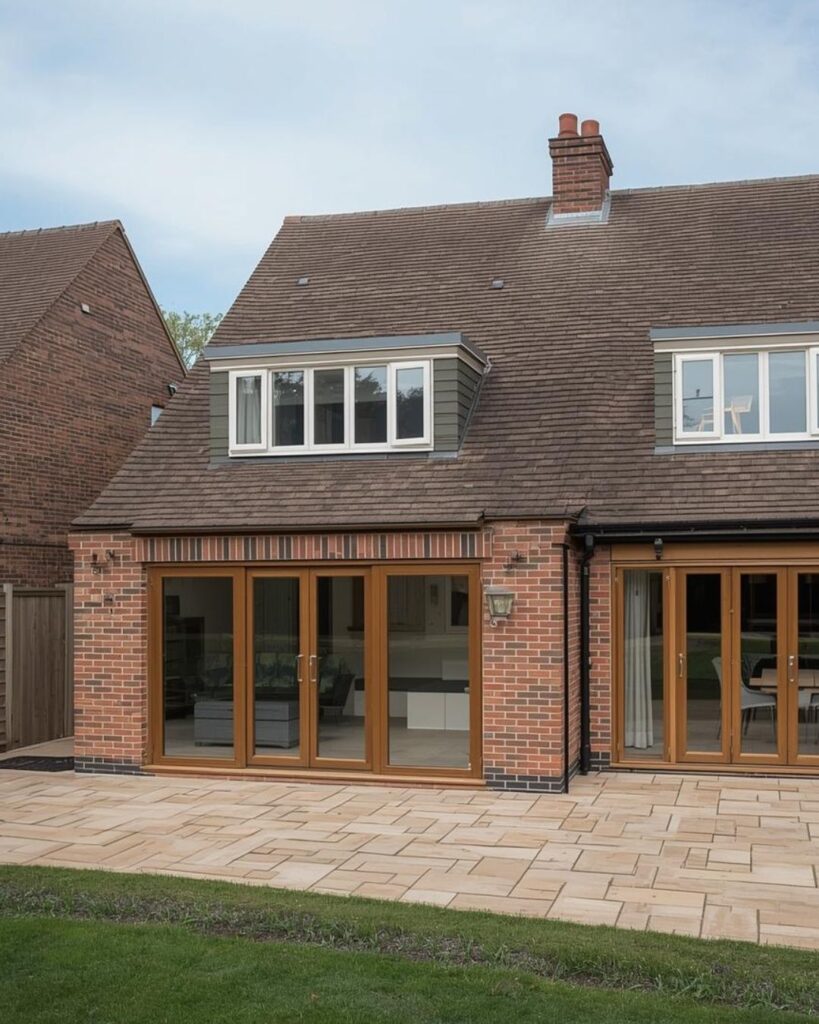
How Much Does a Single Storey Extension Cost in Crawley? A Local Builder’s Guide
A single storey extension is the most popular building project we carry out across Crawley, and for good reason. It adds ground floor space — a larger kitchen-diner, a generous living area, a home office, or a ground floor bedroom — without the cost and complexity of building upward. The existing roof stays untouched, planning permission is often unnecessary, and the build is faster and less disruptive than a double storey project. For most Crawley homeowners wanting more room on the ground floor, a single storey rear extension is the most practical and cost-effective solution available.
But the cost varies depending on the size of the extension, the specification you choose, the ground conditions on your plot, and how much finishing work is included. This guide sets out realistic prices for different types of single storey extension across Crawley, explains what drives the cost at each stage, and helps you set a budget that reflects what your specific project will actually involve.
What Does a Single Storey Extension Cost?
Single storey extension costs in Crawley typically fall into three broad brackets depending on size and specification.
A modest rear extension of around three metres deep across the width of a standard semi-detached house costs between £22,000 and £32,000. This covers foundations, brickwork, a flat or lean-to roof, standard patio or bi-fold doors, plastering, electrics, basic plumbing if needed, flooring, and decoration. The extension is finished and habitable but the specification is practical rather than premium. Many of the semi-detached properties across Broadfield, Bewbush, and Langley Green suit this size of extension well.
A larger extension of four to six metres deep with a higher specification — quality aluminium bi-fold doors, skylights or a roof lantern, underfloor heating, and a fully fitted kitchen within the new space — typically costs between £35,000 and £55,000. The additional depth means bigger foundations, more brickwork, a larger roof structure, and substantially more internal finishing. This is the most common bracket for Crawley homeowners creating open-plan kitchen-diners that transform the entire ground floor.
A premium single storey extension with the highest specification — large-format aluminium sliding doors, structural glazing, a flat roof with a central roof lantern, stone or porcelain flooring, underfloor heating throughout, a high-end kitchen installation, and comprehensive finishing — can reach £55,000 to £75,000 or more. The larger detached properties in Pound Hill, Maidenbower, and Worth typically commission extensions at this level.
What Affects the Cost?
Several factors push the price above or below these typical ranges, and understanding them helps you anticipate where your project sits before quotes arrive.
Size is the most obvious variable. A single storey extension is essentially priced by the square metre, with costs typically ranging from £1,800 to £2,500 per square metre across Crawley depending on specification. A three metre deep extension across a five metre wide house gives you fifteen square metres. A five metre deep extension across the same width gives you twenty-five square metres. The additional ten square metres adds meaningful cost in foundations, brickwork, roof, and finishing, but the per-square-metre rate actually decreases slightly on larger extensions because certain fixed costs — scaffolding, skip hire, building control fees — don’t scale proportionally.
Ground conditions matter more than most homeowners expect. Crawley sits on Weald clay which behaves differently depending on moisture levels — shrinking in dry weather and expanding when wet. This can affect foundation design, potentially requiring deeper foundations or engineered solutions on sites where trees are close to the build or where the clay is particularly reactive. Your builder should assess the ground conditions during the initial site visit and account for them in the quote. Standard strip foundations suit most Crawley sites, but some require trenchfill or mini-piled foundations which add cost.
The rear opening has a significant impact on both cost and how the finished room feels. Standard patio doors cost between £800 and £1,500. Quality aluminium bi-fold doors spanning three to four metres typically cost £3,000 to £6,000. Large-format sliding doors in aluminium can reach £5,000 to £8,000. The difference in cost is substantial, but so is the difference in the daily experience of using the room — wide-opening doors that blur the boundary between inside and outside transform a rear extension from a room with a view into a space that genuinely connects with the garden.
The roof design affects both cost and character. A flat roof with a membrane finish is the most common and affordable option for single storey extensions. Adding a roof lantern or a series of skylights increases the cost but brings natural light into the centre of the room where it’s furthest from the windows — making a significant difference in deeper extensions where the middle of the room would otherwise feel dark. A pitched roof that matches the existing house costs more than a flat roof but creates a more traditional appearance that suits certain properties.
Specification of internal finishing covers everything from plastering quality and flooring choice to kitchen fitting and decoration. A basic plaster finish with painted walls and laminate flooring looks clean and functional. Underfloor heating, engineered wood or porcelain flooring, and a fully fitted kitchen with stone worktops transform the specification and the cost. Most of these are decisions you control, and being clear about your priorities before requesting quotes ensures the prices reflect what you actually want.
Planning Permission
Single storey rear extensions benefit from generous permitted development allowances that often mean no planning application is needed. For attached houses — the terraces and semis that make up a significant proportion of Crawley’s housing — you can extend three metres from the original rear wall without planning permission. For detached houses, the allowance increases to four metres. Larger extensions up to six metres for attached houses or eight metres for detached are possible through the prior approval process, which is simpler, faster, and cheaper than a full planning application.
The permitted development rules come with conditions. The extension must not exceed four metres in height. The eaves height must not exceed three metres. The extension must not extend beyond the side elevation of the original house. Materials must be similar in appearance to the existing property. And the extension must not cover more than half the area of land around the original house.
If your property is in a conservation area — which applies to some parts of Crawley — permitted development rights for rear extensions are more restricted. Check with Crawley Borough Council before committing to a design if you’re unsure whether your property has any special designations that affect what you can build.
For most Crawley homeowners, a standard single storey rear extension of three to four metres proceeds under permitted development without any planning application, keeping the process straightforward and the timeline shorter.
How Long Does It Take?
A single storey extension typically takes eight to twelve weeks from breaking ground to completion. The programme follows a predictable sequence that your builder should set out clearly before work starts.
Weeks one and two cover groundwork — excavating the foundations, pouring concrete, and building the substructure up to floor level. Weeks three and four cover the superstructure — brickwork walls, any steelwork for the opening between the extension and the existing house, and the roof structure. Week five typically sees the extension become watertight with the roof membrane or tiles complete and the doors and windows fitted. Weeks six and seven cover first fix electrics and plumbing, insulation, and plastering. Weeks eight to ten cover second fix — kitchen fitting if applicable, tiling, flooring, electrics and plumbing completion, and decoration. The final week handles snagging and handover.
This timeline assumes the extension proceeds under permitted development. If a planning application is needed, add eight to twelve weeks for the application process before construction begins. Material lead times — particularly for bi-fold doors and bespoke kitchen units — should be factored in early so everything arrives when the build needs it rather than causing delays.
What’s Included in a Quote?
A comprehensive single storey extension quote should cover every element needed to deliver a finished, usable room. Specifically, the quote should include groundwork and foundations, brickwork matched to the existing property, structural steelwork for the opening between the extension and the house, the roof structure and covering, windows and doors, plastering, electrics with new circuits and fittings, plumbing if the room includes a kitchen or wet area, insulation to current Building Regulations standards, flooring, decoration, and building control fees.
If any of these elements are missing from a quote, you’re not comparing like for like with quotes that include them. Ask every builder to confirm what’s in and what’s out so you can make a fair comparison.
Getting the Best Value
Get itemised quotes from two or three experienced local builders. Compare like for like — check that each quote covers the same specification, the same scope, and the same finishing standard. The cheapest quote isn’t always the best value if it excludes elements that the more expensive quotes include.
Invest in the elements that matter longest. Quality foundations, structural steelwork, and a properly installed roof protect everything beneath them for decades. Quality doors and windows make a daily difference to how the room looks, feels, and thermally performs. Quality kitchen fitting — if the extension includes a kitchen — shows immediately and lasts for years. Where you can economise without lasting compromise is decoration and fixtures that are straightforward to upgrade later.
Build in a contingency of ten to fifteen percent. Ground conditions, drainage complications, and structural discoveries when the existing wall is opened up are normal in building work. Having a buffer means they’re absorbed within the budget rather than becoming a problem.
If you’re considering a single storey extension at your Crawley home, get in touch for a free consultation. We’ll visit, discuss your ideas, assess the site, and provide a detailed quote so you can plan your project with confidence.