
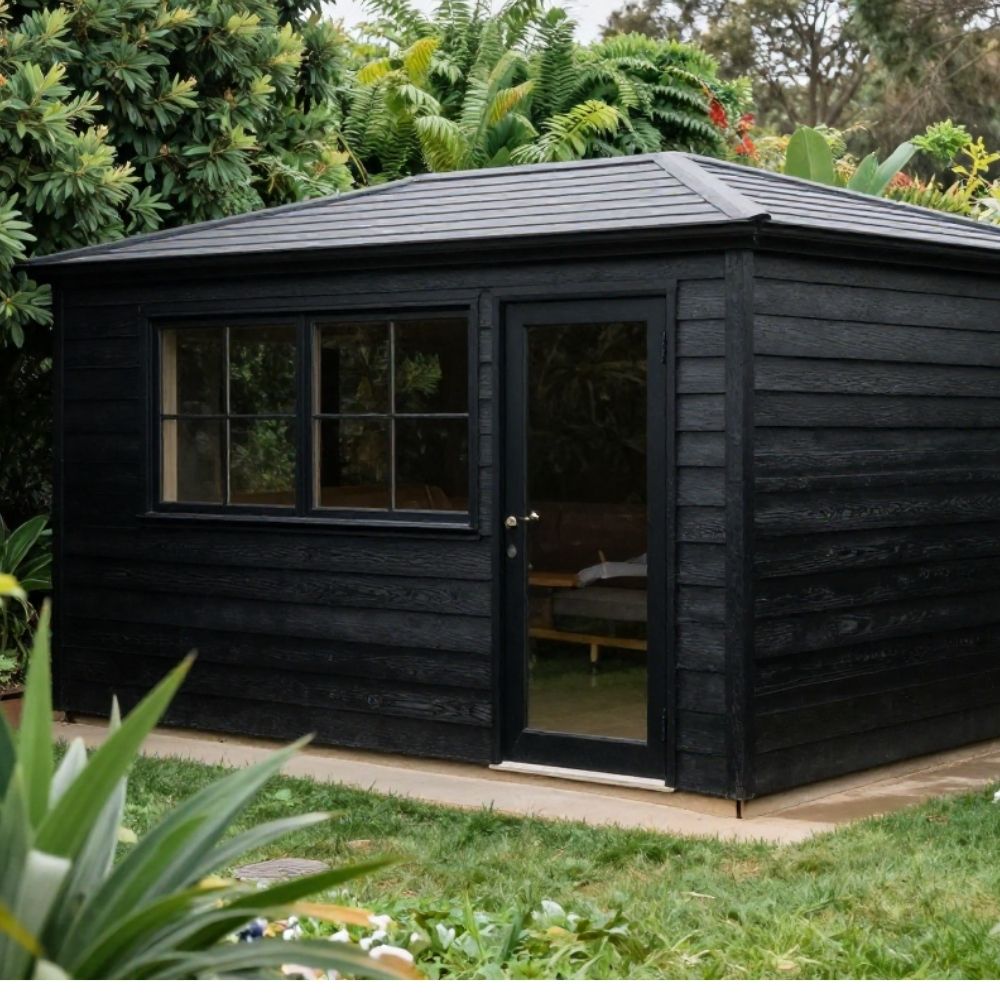
10 Ways to Use a Garden Room at Your Crawley Home
A garden room only justifies the investment if you use it regularly, and you’ll only use it regularly if it’s designed around something you actually need it for. A beautifully built structure that sits idle because the specification doesn’t quite match the purpose is an expensive garden ornament. A room designed deliberately around a specific function becomes one of the most used spaces in your home — the place you go to work, train, create, or decompress, every day, in every season.
The difference between the two comes down to getting the specification right before the build starts. This guide covers the most popular ways Crawley homeowners use their garden rooms, what each one demands in terms of construction and services, and the practical considerations that make each use work properly rather than almost working.
Home Office
This remains the most common reason people across Crawley build a garden room. The shift to hybrid and remote working is permanent for a large proportion of the town’s commuter population, and the fundamental problem with working from home is the lack of a genuine boundary between professional time and personal time. A garden office creates that boundary with a thirty-second commute from the back door.
The specification centres on comfort during long sedentary hours. Insulation needs to hold stable temperature year-round — rigid foam board in the walls, floor, and roof rather than lightweight alternatives that underperform when the temperature drops. Electric underfloor heating works well for offices because radiant warmth from below keeps feet comfortable throughout a full working day, which wall-mounted heaters struggle to achieve when you’re sitting still for hours. Power provision needs to be generous — multiple double sockets around the desk area, not two sockets on the far wall that require extension leads across the floor. Internet connectivity through ethernet cabling from the house gives the most reliable connection for video calls and large file transfers, though a quality mesh WiFi system works for most users.
Home Gym
A garden gym eliminates the membership fees, the travel time, and the scheduling constraints that make consistent training difficult. The financial case builds quickly — two gym memberships at £40 each amounts to nearly £1,000 a year, and a garden gym pays for itself within a few years while remaining available on your terms permanently.
The construction requirements differ from most other uses. Floor loading is the primary concern — free weights, power racks, and benches concentrate substantial weight in small areas, so the subfloor needs reinforcing beyond standard specification. Rubber matting over a strengthened base provides impact absorption and protects both structure and equipment. Ventilation is the other critical factor because a sealed, insulated room that’s comfortable for desk work becomes unbearable within minutes of intense exercise. Mechanical extraction or generous opening panels that deliver consistent airflow regardless of outside conditions are essential. A room of twelve to fifteen square metres accommodates a serious training setup, though smaller spaces still work well for cardio and bodyweight work.
Art Studio
Painters, illustrators, ceramicists, woodworkers, and makers of all kinds need a space where work stays set up between sessions. A garden studio provides that permanence — your easel stays where it is, the half-finished piece dries undisturbed, materials spread across the workbench without needing clearing before dinner. The spare bedroom that doubles as a studio always compromises in one direction or the other. A dedicated space compromises on nothing.
Lighting is the critical specification for visual work. North-facing glazing or roof-mounted windows that avoid direct sunlight provide the even, consistent illumination that artists need — direct sun causes glare, distorts colours, and creates harsh shadows that make accurate work difficult. Hard-wearing flooring that handles paint, adhesive, sawdust, and general workshop wear without showing every mark is essential. A utility sink plumbed with hot and cold water saves the walk back to the kitchen with dirty brushes. Power supply needs specifying for the actual equipment — kilns, sewing machines, and power tools each have different circuit requirements.
Music Practice and Recording
Musical practice and domestic harmony exist in permanent tension when the practice happens inside the main house. A garden room moves the sound away entirely, but only if the acoustic specification matches the instruments and volume levels involved.
Standard garden room insulation provides meaningful sound reduction — enough for acoustic guitar, keyboard at moderate volume, and vocal practice without disturbing the house. Drums, amplified instruments at performance volume, and recording that requires controlled acoustics need additional treatment. Effective sound isolation requires mass and decoupling — dense materials in the walls, floor, and ceiling that resist vibration, mounted on independent framing that prevents sound transferring through the building envelope. Sealed doors and windows with appropriate acoustic ratings complete the isolation. Crawley’s residential density across estates like Broadfield, Bewbush, and Ifield means neighbours are close enough that sound containment is a practical necessity for louder instruments.
Therapy and Treatment Room
Counsellors, physiotherapists, massage therapists, personal trainers, tutors, and beauty practitioners increasingly run small practices from garden rooms. The arrangement provides a professional space with its own entrance that keeps clients completely separate from the main house — they arrive, have their appointment, and leave without ever passing through your domestic space.
The interior needs to feel genuinely professional. Appropriate lighting, comfortable and consistent temperature, good ventilation, and a quality of finish that reflects the standard of service you provide. Access planning matters as much as the room itself — a path from the garden gate directly to the room entrance means clients arrive at your door without walking past the kitchen window. If you plan to see clients regularly from your Crawley property, check with the council regarding permitted use. Most small-scale home practices operate within standard residential permissions, but confirming before you build avoids complications.
Guest Accommodation
A fully insulated garden room designed for overnight guests gives visitors genuine privacy and independence that a spare bedroom inside the house never matches. They come and go on their own schedule without disturbing the household, and the main house continues functioning normally regardless of how many people are staying.
The specification needs to meet habitable standards — full insulation, reliable heating, quality glazing, and ideally a small ensuite or at minimum a toilet and basin. One important planning distinction applies. A garden room providing sleeping accommodation only generally falls within permitted development. A fully self-contained unit combining sleeping, cooking, and bathing facilities crosses into separate dwelling territory and requires planning permission. Understanding this boundary before you design the space prevents complications after you’ve built it.
Children’s Playroom
Reclaiming the living room from toys, games, and spreading chaos motivates many Crawley families to build a garden playroom. Children get dedicated space where mess and noise are welcomed rather than merely tolerated, and the adults get their living room back.
For younger children, the priorities are safety, warmth, and clear sightlines from the house. Heating needs to be safe and consistent — underfloor heating avoids hot surfaces that small hands might touch. For teenagers, the requirements shift toward a social space — somewhere friends gather, game, watch content, and exist independently without occupying the family kitchen every evening. Robust internal finishing that survives the wear children inflict on any space they’re given freedom in is essential at both ages. The garden room that serves as a playroom at five becomes a gaming den at twelve and a study space at sixteen — building with some flexibility from the start makes the investment work across the years.
Home Cinema
A dedicated cinema room demands different things from a garden room than most other uses. Natural light — usually a priority — becomes something to eliminate. A windowless rear wall or comprehensive blackout treatment on all glazing creates the dark environment that large-screen viewing requires. Acoustic treatment on walls and ceiling improves sound quality significantly, and the physical separation from the main house means volume and bass levels that would rattle the living room ceiling become perfectly acceptable.
The electrical specification centres on dedicated circuits for projection equipment, surround sound systems, and media devices. Comfortable seating on a slightly raised rear platform creates tiered viewing even in a modest footprint. Fourteen to sixteen square metres provides enough room for a surprisingly impressive setup that outperforms any attempt at blacking out the living room on a summer evening.
Yoga and Wellbeing Space
A calm, quiet room dedicated to yoga, meditation, or general wellbeing removes the friction that prevents regular practice. No furniture to rearrange, no distractions to manage, no negotiating for the living room floor. The space is always ready.
The specification is deliberately minimal — underfloor heating for barefoot comfort, soft diffused lighting rather than harsh overhead fittings, natural materials where the budget allows, and enough unobstructed floor area to move through a full practice freely. Ten to twelve square metres suits individual practice comfortably. The restraint in the specification makes this one of the more affordable garden room options, but the impact on daily routine can be disproportionately positive. Crawley’s position between the Surrey Hills and the Sussex countryside makes a wellbeing-focused space feel connected to the surrounding landscape rather than imposed upon it.
Home Library
Deep concentration and domestic noise exist in permanent opposition. A garden room library or study provides the quiet that sustained reading, research, or focused work demands — genuinely insulated from household sound by walls, air gaps, and the physical distance of the garden.
Floor-to-ceiling shelving that uses the available wall space efficiently, a comfortable reading chair with proper task lighting, and thorough insulation that blocks external noise create a retreat that functions as well as any private study. If you’re planning substantial book storage, discuss the floor loading with your builder — a fully stocked wall of shelving carries considerable weight and the substructure needs accommodating it from the design stage rather than discovering it’s inadequate afterwards.
Getting the Specification Right
Every use described above has a different critical requirement. An office needs stable temperature and connectivity. A gym needs structural reinforcement and ventilation. A studio needs controlled lighting and utility services. A music room needs acoustic isolation. A guest suite needs habitable-standard insulation and plumbing. A cinema room needs blackout and dedicated power circuits.
Starting with the intended function and building the specification around it is the only way to end up with a room that performs its purpose properly. A generic garden room built to a standard specification and then repurposed for a specific use almost always falls short somewhere — not enough sockets for an office, not enough ventilation for a gym, not enough sound isolation for music.
If you’re considering a garden room at your Crawley property, get in touch for a free consultation. We’ll discuss what you need the space for, recommend the right specification, and provide a clear, detailed quote so you know exactly what’s involved before you commit.